
Understanding marri canker
Marri trees are a defining feature of the South West landscape. They provide shade, habitat, and a strong sense of place, whether they’re standing in bushland, on rural properties, or close to homes.
In recent years, more landholders have noticed decline in marri trees that once appeared healthy. In many cases, the cause is marri canker.
Understanding what marri canker is, how it affects trees, and what options exist can help you make informed decisions before a tree becomes unsafe or declines beyond recovery.
What is marri canker?
Marri canker is a fungal disease that affects native marri trees, caused by the fungal pathogen Quambalaria coyrecupis. The fungus attacks the cambium layer of the tree, which is the thin but vital layer of tissue just beneath the bark that transports water and nutrients.
As the disease progresses, it damages this layer and can slowly ringbark the tree at the point of infection. This disruption reduces the tree’s ability to move nutrients and water, leading to stress, decline, and eventual failure.
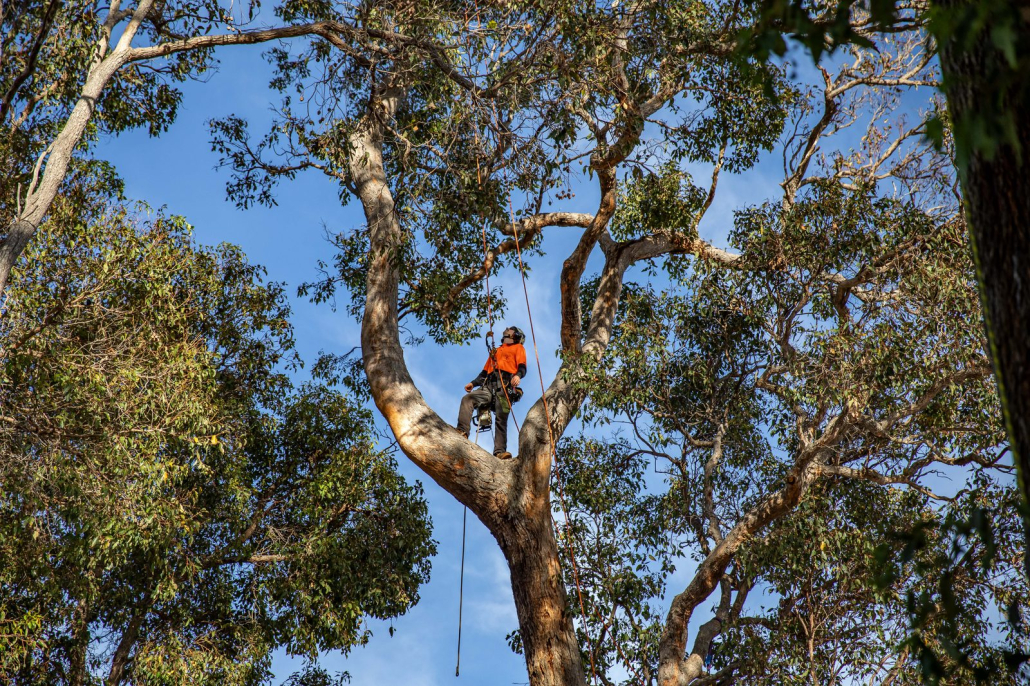
One of the challenges with marri canker is that the infection point is often high up in the crown, not at ground level. This means the disease can go unnoticed for a long time.
“People are often surprised when we point out where the damage actually is,” says Glen Taylor, director of South West Tree Services. “From the ground, the tree can sometimes appear fine, but the real issue is happening well above eye level.”
How marri canker spreads
Marri canker is spread through the air. Fungal spores travel on wind and enter the tree through small wounds, natural cracks, or areas of stress in the bark.
Because it’s airborne, marri canker isn’t caused by poor maintenance or bad pruning practices alone. Even well-managed trees can become infected, particularly during periods of environmental stress.
Factors such as poor soil health, drought, compaction, or previous damage can reduce a tree’s natural defences and make it more vulnerable to infection.
Common signs of marri canker
Early signs of marri canker are not always obvious, especially when the infection is in the upper canopy. Over time, symptoms may include:
- Dieback in the crown
- Dead or declining limbs
- Thinning foliage
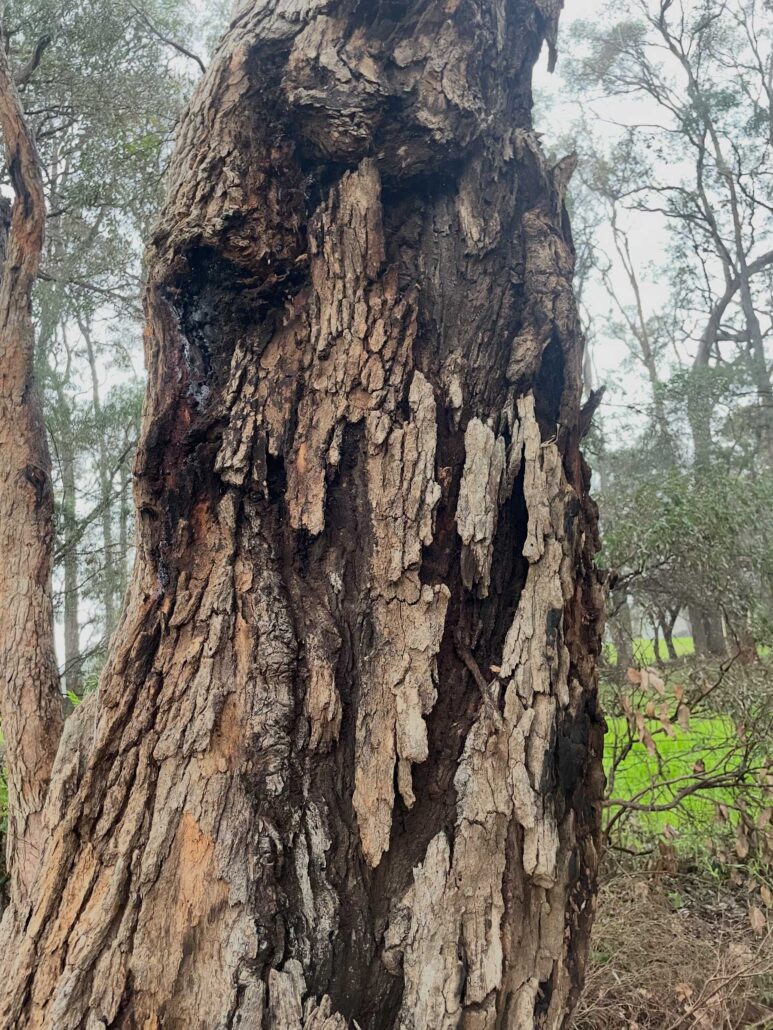
- Bark lesions or cracking
- Resin bleeding or discolouration
“These trees are resilient, and they don’t fail overnight,” Glen explains. “But marri canker is progressive. The longer it goes unchecked, the more impact it has on the tree’s structure and safety.”
Why marri canker matters
As marri canker damages the cambium layer, the tree becomes weaker and less stable. Over time, affected limbs can become brittle and fail without much warning.
This presents a real safety risk, particularly for trees near houses, sheds, tracks, fences, or high-use areas. In advanced cases, the entire tree may become structurally compromised.
Beyond safety concerns, marri canker also affects the long-term health of the landscape, especially where mature trees play an important ecological role.
Is there a cure for marri canker?
At this stage, there is no proven cure for marri canker. However, there are management and treatment options that may help slow the disease and improve overall tree health in some cases.
Anecdotally, injecting the cambium layer with phosphonic acid has shown promising results in suppressing fungal activity. This is often paired with soil health treatments designed to restore the tree’s natural vigour and resilience.
Selective removal of diseased or dead limbs is also commonly recommended. This can reduce risk, remove heavily infected material, and support the tree’s remaining structure.
“We’re realistic about outcomes,” says Glen. “The aim is to give the tree the best possible chance, not to promise a cure that doesn’t exist.”
The importance of proper assessment
Every marri tree is different. The severity of marri canker depends on where the infection is located, how far it has progressed, and the overall condition of the tree.
All reputable arborists and tree companies follow strict hygiene standards when working on affected trees to minimise further spread of the disease.
At South West Tree Services, we can assess marri trees on-site and provide clear, practical advice. This includes evaluating safety risks, treatment options, and whether retention or removal is the most responsible choice.
“Sometimes treatment makes sense,” Glen says. “Other times, removal is the safest option for people and property. Our job is to be honest about that.”
When to seek professional advice
If you’ve noticed dieback, dead limbs, or changes in the canopy of a marri tree, early assessment is important. Acting sooner can give you more options and reduce safety risks.
Whether the outcome is treatment, pruning, or safe removal, understanding marri canker helps you make informed decisions for your property and the surrounding environment.
Book a tree assessment, explore pruning options, or call 0484 617 341.

