Parrots Stripping Bark From Trees? Borers, Tree Stress and the Real Cause
When large sections of bark begin disappearing from a tree, parrots and other birds are often blamed. We regularly hear:
“The parrots are killing the tree.” But in many cases, the birds are actually one of the last stages in a much longer process of tree decline.
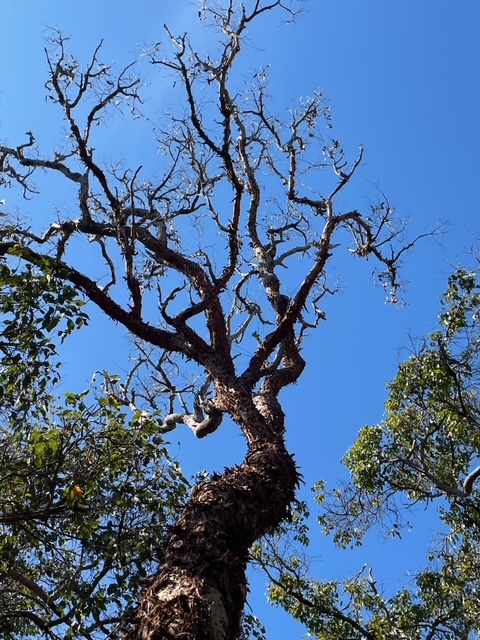
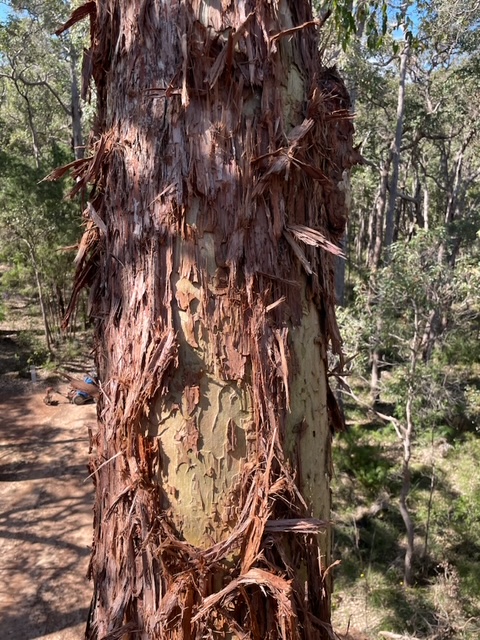
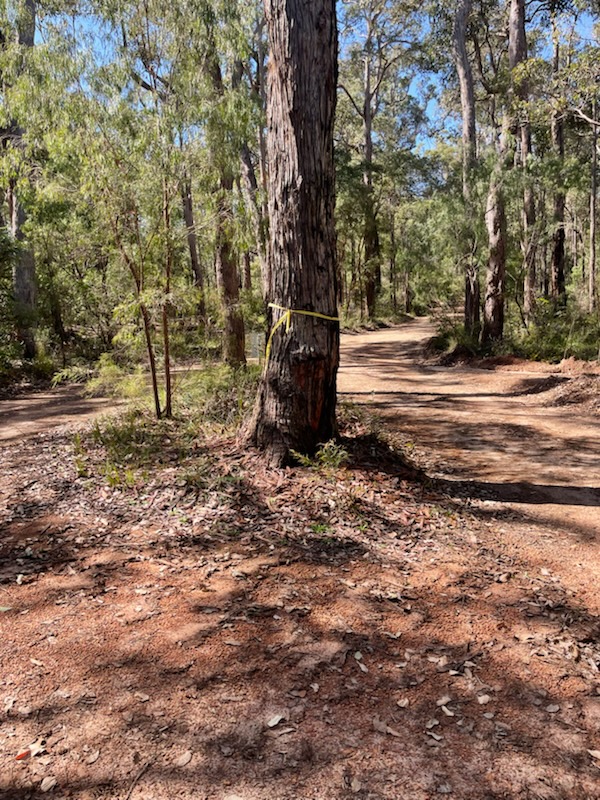
The tree pictured here is a good example. It shows extensive bark disturbance, significant canopy decline and obvious bird activity. While the damage caused by the birds is highly visible, understanding why the birds are there requires looking beyond the bark and considering the health of the entire tree — particularly what is happening below ground.
What are the birds looking for? Longicorn or longhorn beetles are a group of wood-boring insects. Their larvae can develop beneath the bark and within the woody tissues of trees.
For parrots and other birds, these larvae provide a valuable food source. Once birds locate them, they can tear, peel and strip away significant sections of bark while searching for the larvae underneath. The resulting damage can look dramatic and, understandably, the birds are often assumed to be responsible for the tree’s declining condition.
Why was the tree susceptible to borer attack in the first place?
From an arboricultural perspective, there is a more important question: “Why was the tree susceptible to borer attack in the first place?”
Tree decline often starts underground In the example pictured, one of the most significant issues isn’t in the canopy or on the trunk. It is the root environment. The tree is effectively surrounded by trafficable road surfaces, with vehicle movements occurring through a substantial proportion of its root zone. Repeated trafficking and the construction and use of these roadways have resulted in significant soil compaction around the tree.
Compaction changes the physical structure of the soil. The pore spaces that would normally contain air and water become reduced, potentially limiting oxygen availability, water infiltration and the ability of fine absorbing roots to function effectively.
There is also very little organic material covering the root zone.
In a relatively undisturbed forest environment, leaves, bark, branches and other organic material continually accumulate around trees. As this material decomposes, it contributes organic matter and nutrients to the soil, helps retain moisture, protects the soil surface and supports the microorganisms associated with a healthy soil ecosystem.
Where this natural process has been removed and the soil is repeatedly compacted, the conditions available to the tree’s root system can be substantially altered. For a mature tree, this can become a source of chronic physiological stress.
Stress changes a tree’s ability to defend itself
A healthy tree is not passive when attacked by wood-boring insects. Trees have a range of natural defence mechanisms that help prevent insects from successfully entering and colonising their tissues.
In many species, one of the most visible defences is the production of sap, gum or resin around wounds and insect entry points. This response can help physically flush out or restrict boring insects, seal damaged tissue and inhibit further colonisation. Trees also use chemical and physiological defence mechanisms to make their tissues less favourable to attacking insects.
However, these defence responses require energy and resources.
When a tree is under prolonged stress from factors such as soil compaction, root damage, restricted oxygen availability, poor soil conditions or inadequate moisture, its ability to maintain these natural defences can become compromised. A stressed tree may therefore be less capable of producing an effective defensive response to insect attack, allowing boring insects to establish more successfully within the bark and woody tissues.
The decline process can therefore occur over several stages:
Root-zone disturbance and compaction → reduced root function → physiological stress → weakened natural defences → increased susceptibility to boring insects → larvae beneath the bark → birds searching for larvae → bark stripping → further tree decline.
By the time extensive bark stripping becomes obvious, the underlying decline may have been developing for a considerable period.
So, did the parrots kill the tree?
Not necessarily! Birds can certainly cause additional damage when they remove large amounts of bark, particularly where living tissues beneath the bark are damaged.
However, simply blaming the parrots can overlook the underlying cause.
In a situation such as this, bird activity should be viewed as a symptom that warrants further investigation, rather than automatically being considered the original cause of the tree’s decline.
The parrots are simply be taking advantage of a food source that has become available because boring insects have successfully colonised an already stressed tree. Removing or discouraging the birds does nothing to address the underlying problems affecting the tree’s health.
This is why the root zone matters
When assessing mature trees, it is easy to focus on what we can see above ground. But a large tree requires considerably more than the small area immediately surrounding its trunk.
Its root system extends laterally through the surrounding soil, and many of the fine absorbing roots responsible for obtaining water, oxygen and nutrients occur relatively close to the soil surface.
Road construction, vehicle movements, excavation, changes in soil levels, stockpiling and repeated trafficking through these areas can progressively degrade the rooting environment — even when there is no obvious physical damage to the trunk.
This is particularly important during development and construction.
A mature tree may remain standing and appear relatively stable for years following disturbance to its root system. However, reduced root function can gradually affect canopy health, growth, energy reserves and the tree’s capacity to respond to environmental stress, pests and disease.
The visible decline we see today may therefore be the result of changes that occurred years earlier.
Treat the tree, not just the symptom
When borer activity, bark stripping or canopy decline is identified, a proper arboricultural assessment should look beyond the immediately visible damage.
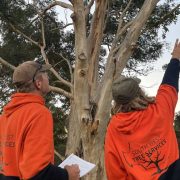
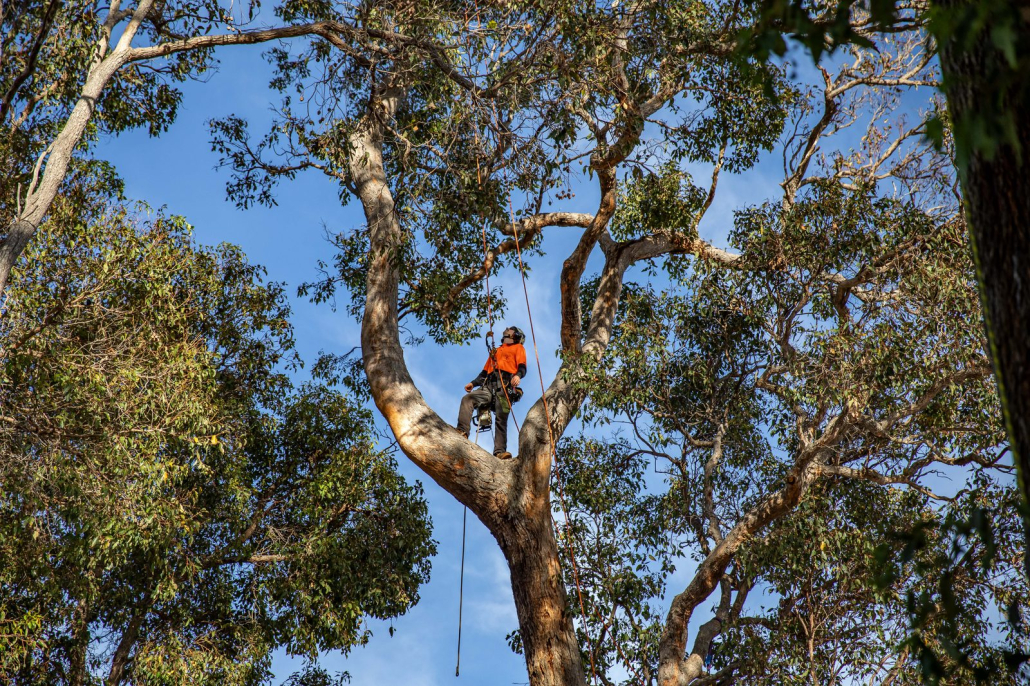
At South West Tree Services, we assess the tree as a complete biological system and consider both the tree itself and the environment in which it is growing.
This can include assessment of:
– canopy health and vitality;
– deadwood and structural condition;
– evidence of boring insects, pests or disease;
– bark and cambial damage;
– soil compaction and root-zone disturbance;
– previous construction or excavation;
– available rooting area;
– soil condition and organic matter;
-moisture availability; and
– changes to the surrounding environment
Depending on the condition of the tree, management may involve protecting the remaining root zone from further compaction, increasing the area of organic mulch, improving soil and root-zone conditions, appropriate microbial or soil treatments, managing hazardous deadwood and monitoring the tree’s response over time.
Where decline has become advanced, further investigation may also be required to determine whether the tree can reasonably be retained or whether its structural condition and level of decline warrant removal.
The parrots may be telling you something
When you see parrots stripping bark from a declining tree, don’t just look at the birds. Look at the tree. Look at its canopy. And importantly, look at what has happened to the ground underneath it.
What appears to be bird damage may actually be the final visible stage of a decline process that began much earlier with changes to the tree’s growing environment. Understanding that sequence is important because effective tree management isn’t simply about treating the symptom.
It’s about identifying and managing the underlying cause.